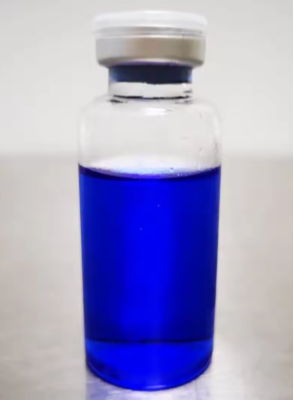
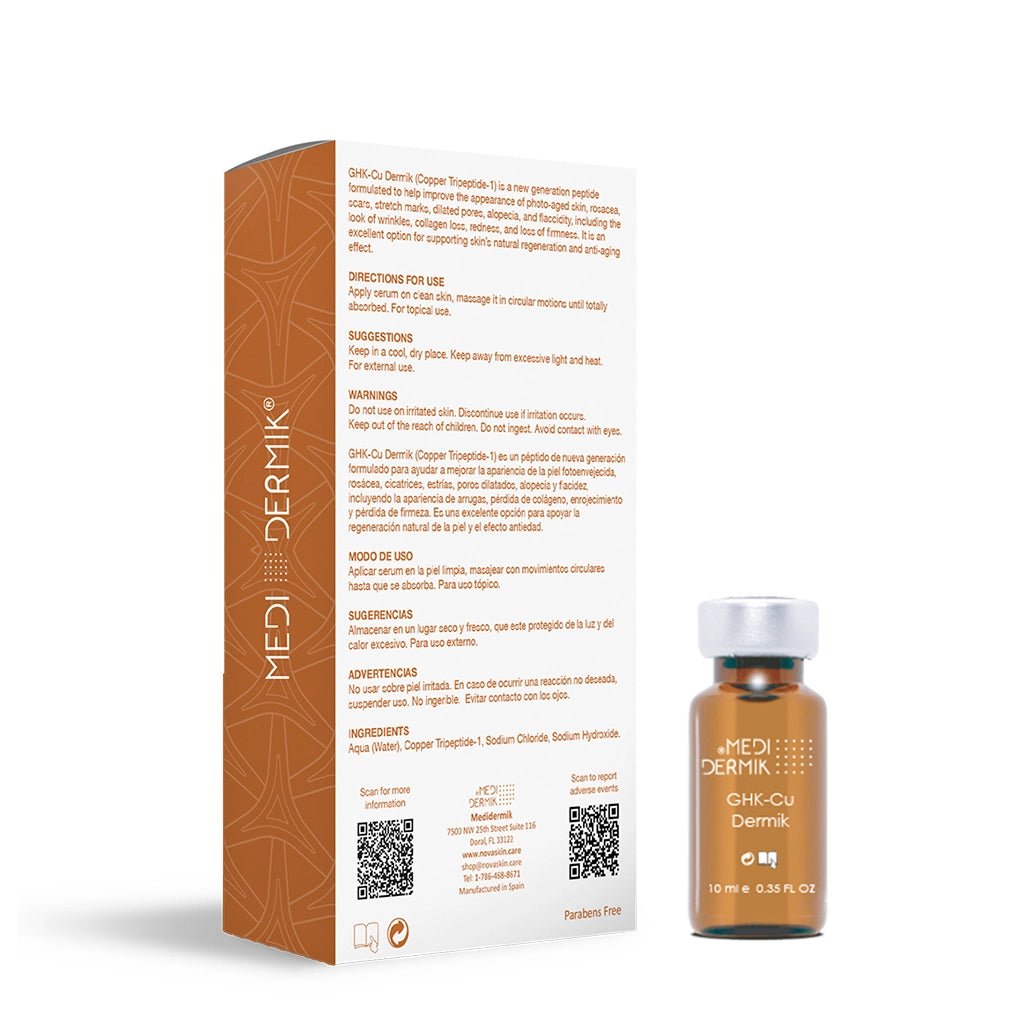
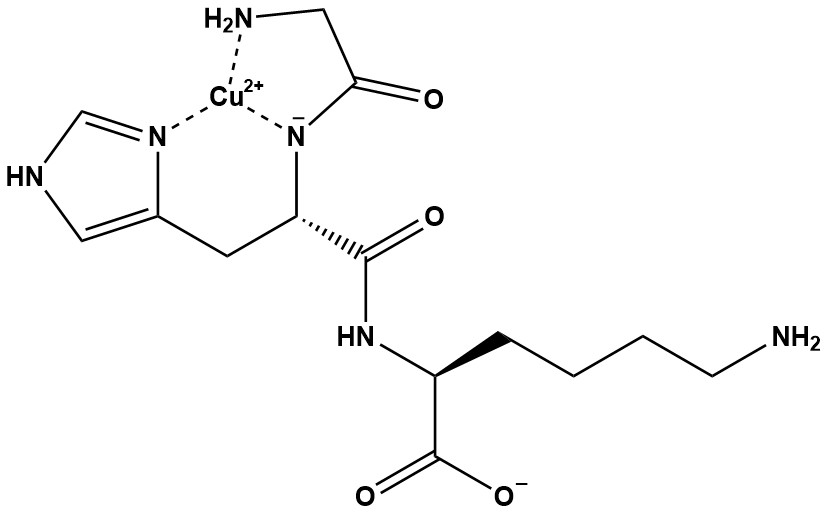
Research Context Naturally occurring copper-binding tripeptide complex Investigated in cellular signalling pathway models Studied in protein interaction and gene expression research Explored in controlled tissue-response and regenerative studies Mechanism Exploration Areas Metal ion binding and copper transport pathways Cellular communication signalling models Protein expression and extracellular matrix repair studies Preclinical tissue response and regeneration research GHK-Cu Research Context GHK-Cu peptide research continues to attract attention in experimental environments where investigators are exploring signalling pathways associated with tissue repair, cellular communication and protein regulation
Thymosin Beta-4 itself is naturally present at high concentrations in platelets and at lower concentrations across many tissues
Absorbed through the digestive system, which may reduce bioavailability
When administered together, their mechanisms converge to amplify appetite regulation, energy intake reduction, and glycemic improvements, exceeding the individual effects of monotherapy by acting on complementary neuroendocrine circuits regulating body weight and metabolism 1-3
Figure 2 presents an approach to diagnosing vitamin B 12 deficiency and pernicious anemia
Widely used in research settings requiring complex compound combinations