Yes, but many patients choose to continue occasionally for energy support, maintenance, or to prevent metabolic backslide
Interstitial Cystitis/Bladder Pain Syndrome is defined as An unpleasant sensation (pain, pressure, discomfort) perceived to be related to the urinary bladder, associated with lower urinary tract symptoms of more than six weeks duration, in the absence of infection or other identifiable causes. An unpleasant sensation (pain, pressure, discomfort) perceived to be related to the urinary bladder, associated with lower urinary tract symptoms of more than six weeks duration, in the absence of infection or other identifiable causes. Over the years, this diagnosis has changed dramatically from how it is defined to approaching treatment
C-reactive protein, interleukin-6, and soluble adhesion molecules as predictors of progressive peripheral atherosclerosis in the general population
Nevertheless, we found that a small fraction (~10%) of condensed, ciprofloxacin-treated cells briefly became turgid, as indicated in phase-contrast by phase-light regions becoming phase-dark and increases in cell size, so that hypoosmotic shock appeared to transiently reverse cytoplasmic condensation in these cells (Fig
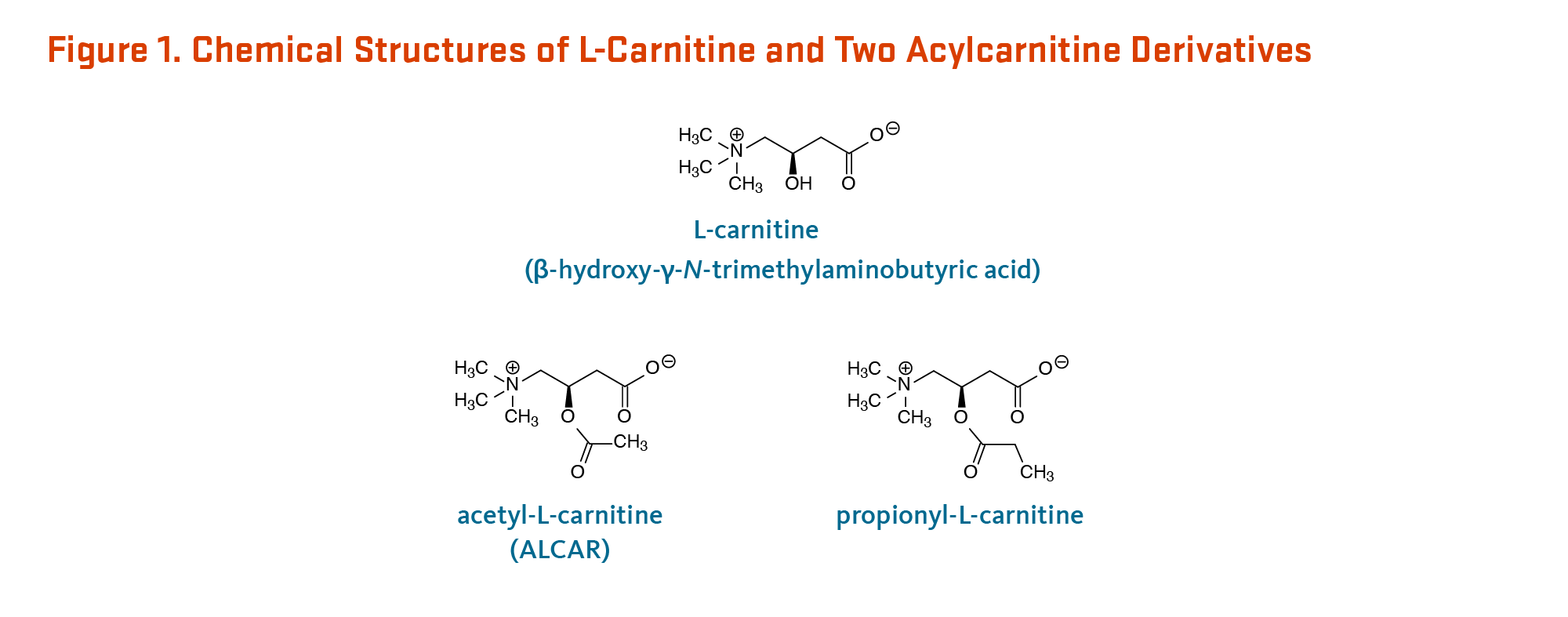
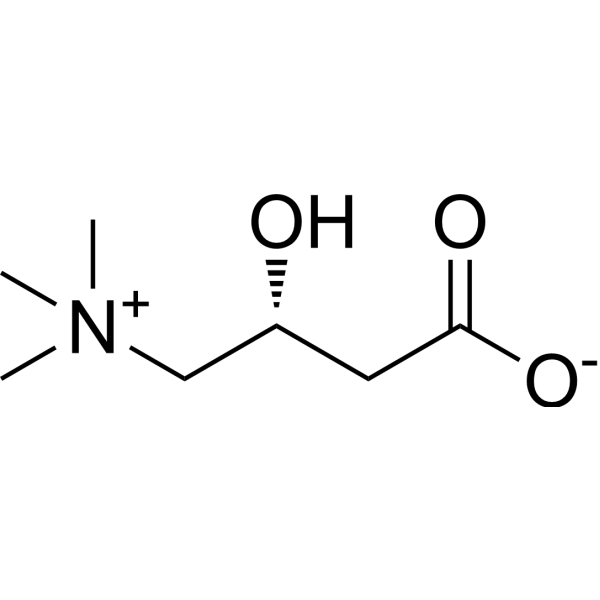
How L-Carnitine Supports Fat Metabolism
Simultaneously, TB-500 mobilizes repair cells to these areas and modulates the inflammatory environment