This might be the last nutrient to use with somebody who already has overactive production of thyroid hormone

Abbreviations FAO: Fatty Acid Oxidation acyl-CoA: acyl-Coenzyme A BCAA: Branched-Chain Amino Acid BCAC: Branched-Chain Acylcarnitine LCAC: Long-Chain Acylcarnitine OXPHOS: Oxidative Phosphorylation BCFA: Branched-Chain Fatty Acid VLCFA: Very Long-Chain Fatty Acid C16-Carnitine: palmitoylcarnitine CPT1A: Carnitine Palmitoyltransferase 1 A TML: 6-N-trimethyllysine TMLD: 6-N-trimethyllysine dioxygenase HTML: 3-hydroxy-6-N-trimethyllysine TMABA: 4-N-trimethylaminobutyraldehyde HTMLA: 3-hydroxy-6-N-trimethyllysine aldolase TMABA DH: 4-N-trimethylaminobutyraldehyde Dehydrogenase BB: -Butyrobetaine BBD: -Butyrobetaine Dioxygenase OCTN: Organic Cation Transporter Novel CrAT: Carnitine Acetyltransferase CrOT: Carnitine Octanoyltransferase TMA: Trimethylamine TMAO: Trimethylamine-N-oxide TMAVA: Trimethyl-5-Aminovaleric Acid PDC: Pyruvate Dehydrogenase IRI: Ischemia-Reperfusion injury AKT: Protein Kinase B PI3K: Phosphatidylinositol-3-Kinase AMPK: AMP-Activated Protein Kinase JNK: c-Jun N-terminal Kinase mTOR: mechanistic Target Of Rapamycin MAPK: Mitogen-Activated Protein Kinase NF-B: Nuclear Factor B Nrf2: the Nuclear factor E2-related factor 2 TNF-: Tumor Necrosis Factor CAT: Catalase COX-2: Cyclooxygenase-2 ERK: Extracellular signal-Regulated Kinase ROS: Oxygen Species MDA: Malondialdehyde SOD: Superoxide Dismutase MyD88: Myeloid Differentiation factor 88 ER: Endoplasmic Reticulum PGC-1: Peroxidase proliferator-activated receptor coactivator-1 PPAR: Peroxisome Proliferator-Activated Receptor GST: Glutathione-S-Transferase GSH: Reduced Glutathione GSH-Px: Glutathione peroxidase GSSG: Oxidized Glutathione TBARS: Thiobarbituric Acid Reactive Substances NLRP3: NOD-Like Receptor Thermal Protein Domain Associated Protein 3 COX2: Cyclooxygenase-2 Cyt c: Cytochrome c HO-1: Heme Oxygenase-1 FOXO: Forkhead box O IGF-1: Insulin like Growth Factor-1 BDNF: Brain-Derived Neurotrophic Factor NGF: Nerve Growth Factor NQO1: NAD(P)H Quinone Oxidoreductase 1 References Baker SA, Rutter J

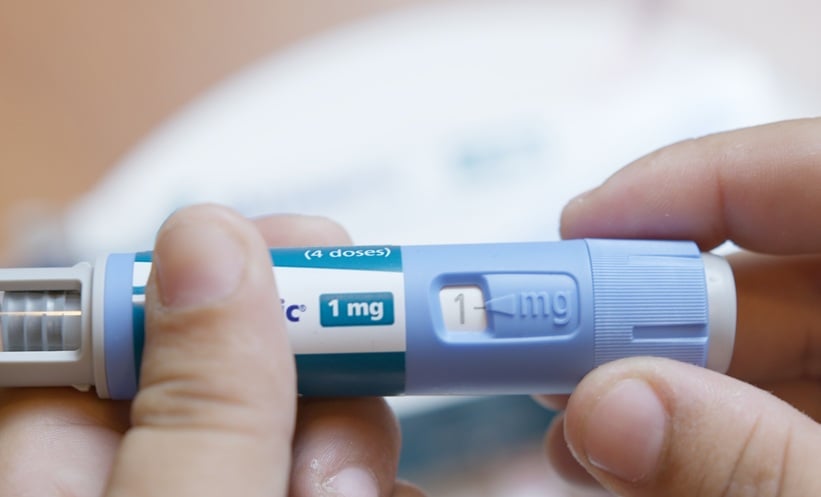
Why an Injection
Weight Loss as a Primary Driver of Cholesterol Improvement Substantial weight loss independently improves cholesterol and triglyceride levels through multiple mechanisms: reduced adipose tissue inflammation, enhanced hepatic lipid clearance, and normalization of VLDL production
Side effects and tolerability issues associated with GLP-1 receptor agonists can limit the usage of these medications in the market
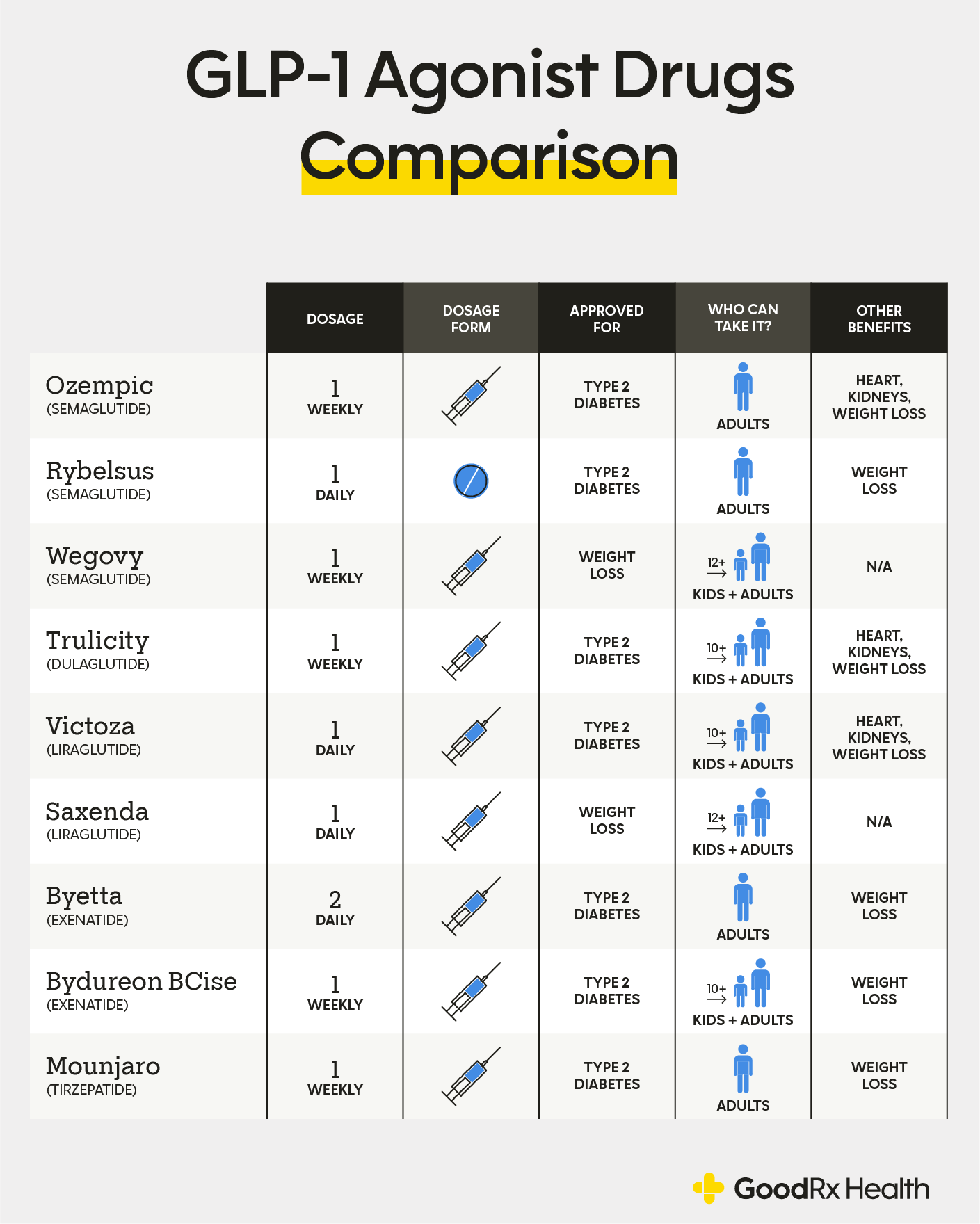
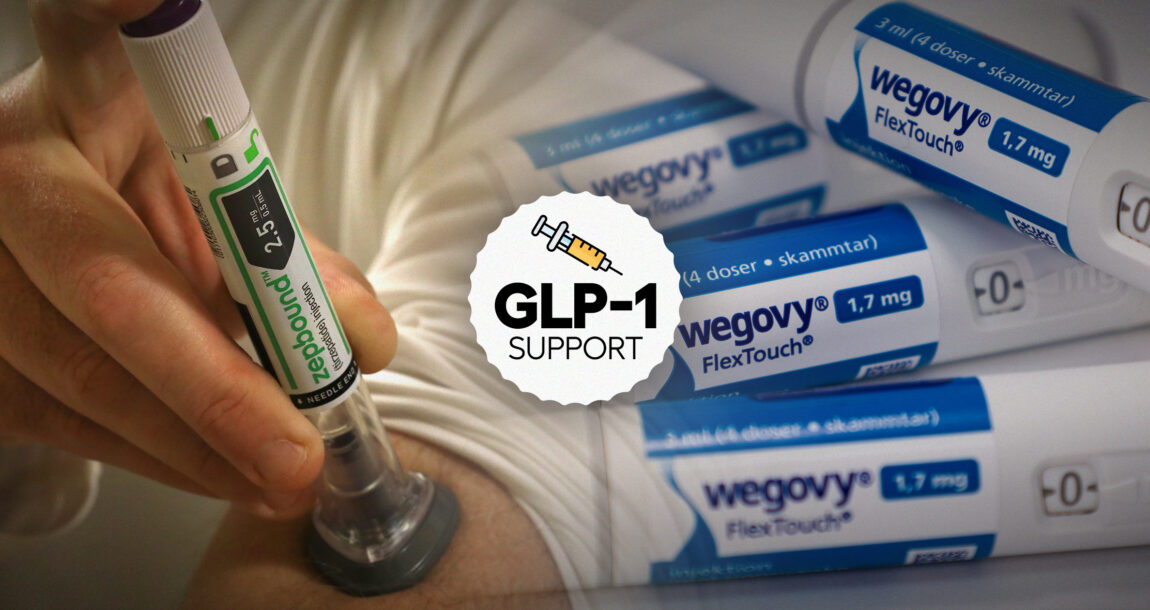
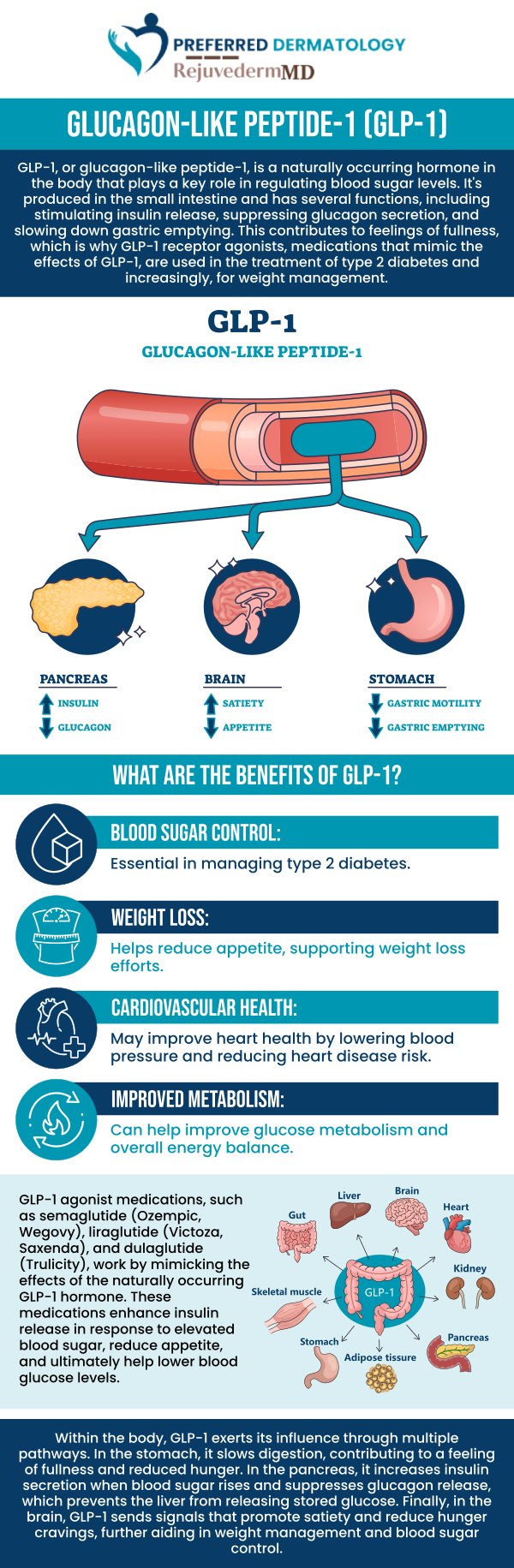
This guide compares GLP-1 medications and bariatric surgery side by side, including weight loss results, side effects, recovery, costs, nutritional considerations, and long-term maintenance