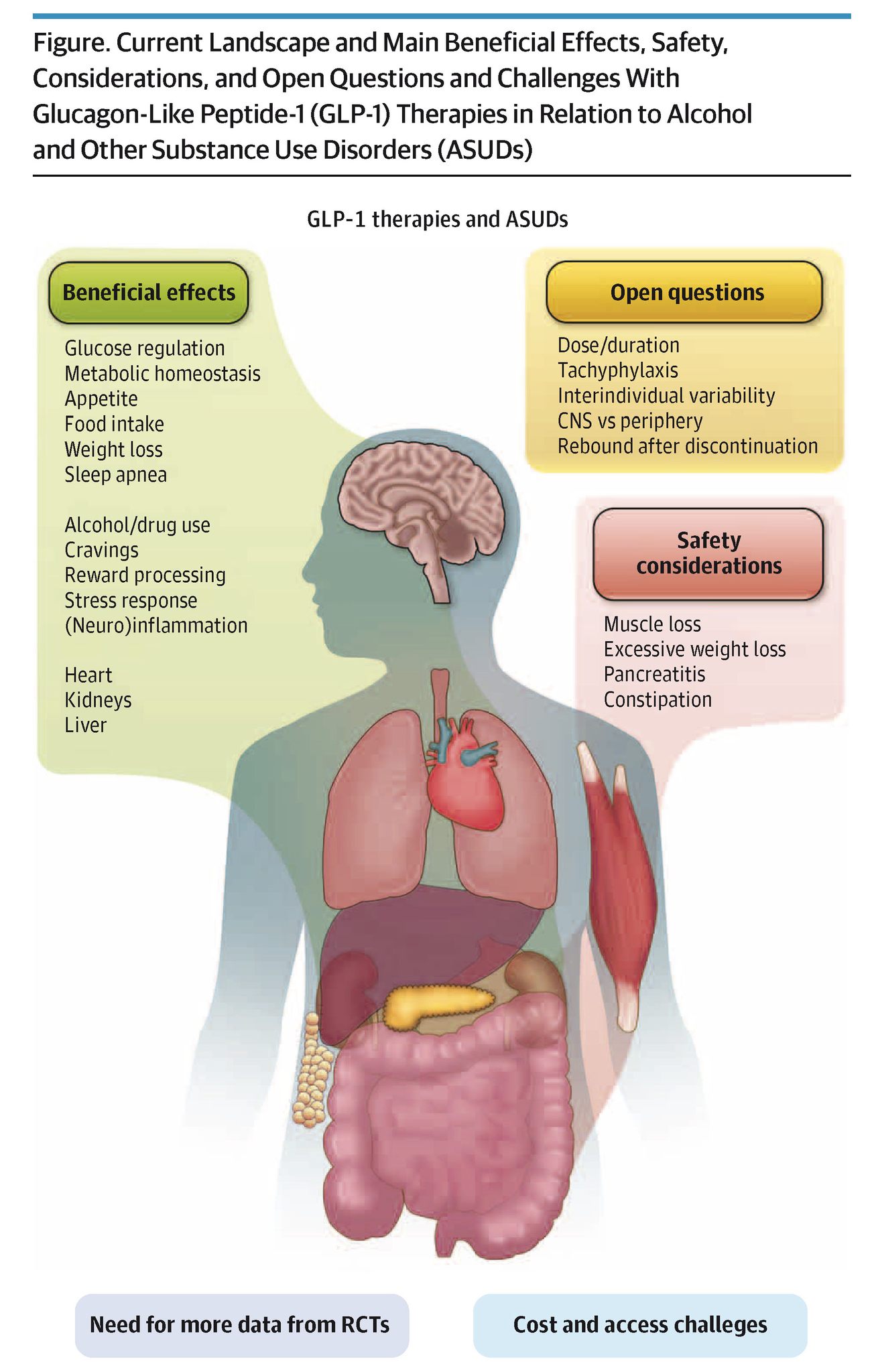
The most frequently reported adverse effects of GLP-1 receptor agonists are gastrointestinal in nature, including nausea, vomiting, diarrhea, constipation, and abdominal discomfort
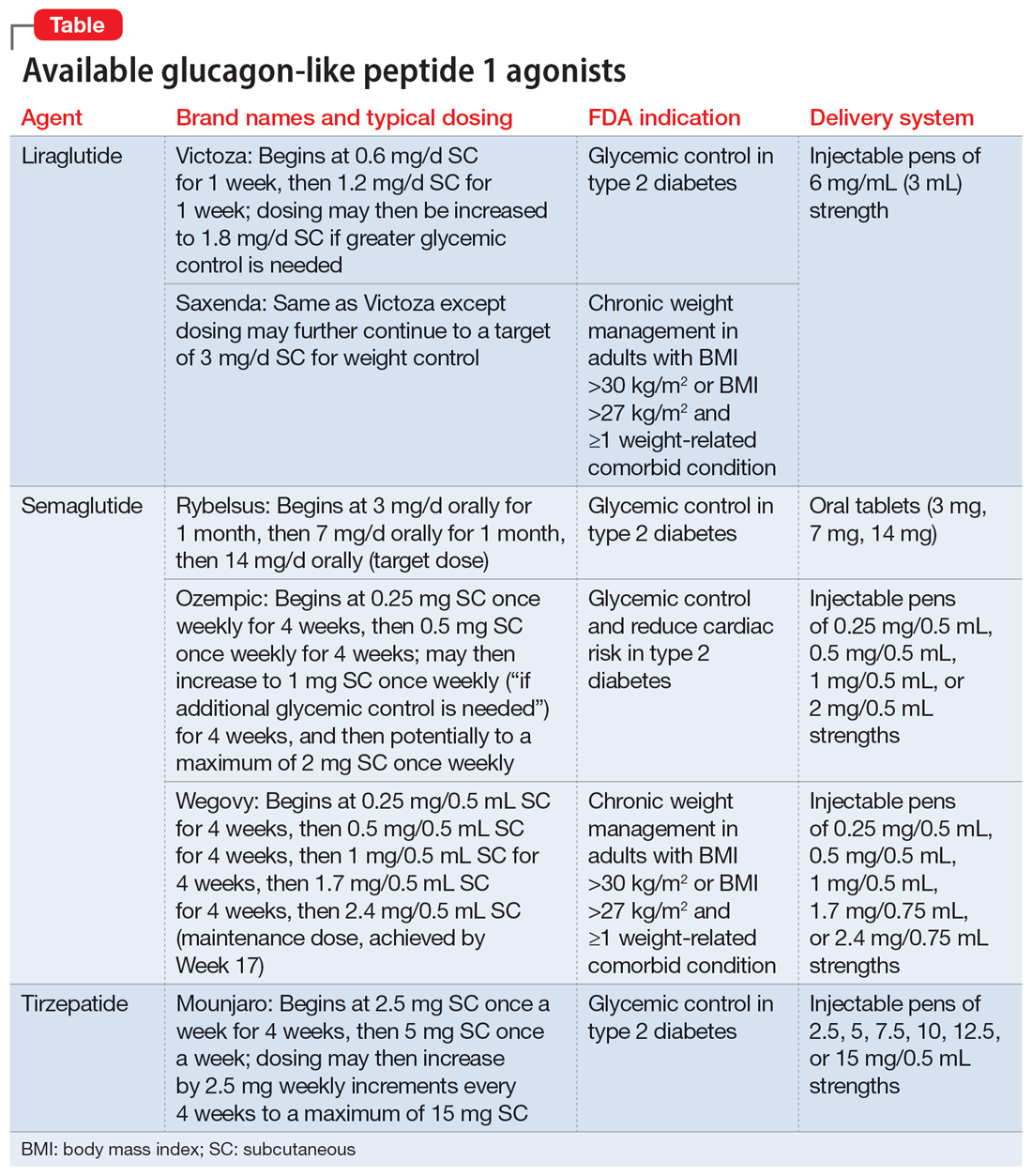
GLP-1s belong to a class of medications called glucagon-like peptide-1 (GLP-1) agonists, which mimic the hormone GLP-1 in your body to lower blood sugar levels after youve eaten a meal
They are not approved for human or animal consumption and are not intended to diagnose, treat, cure, or prevent any disease
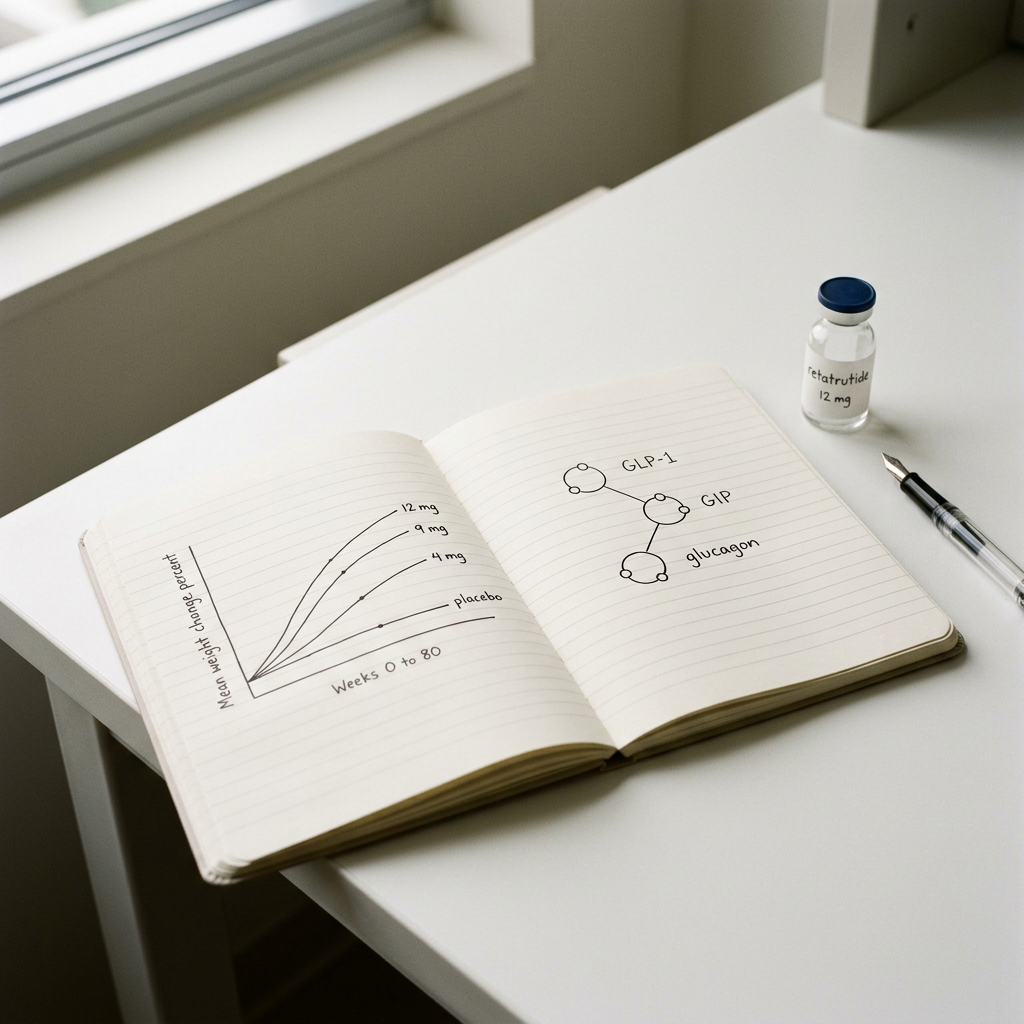
Retatrutide is an investigational triple receptor agonist (GLP-1, GIP, and glucagon) still in phase 3 trials, whilst tesamorelin is a synthetic GHRH analogue licensed only for HIV-associated lipodystrophy in the US
Successful treatment of hidradenitis suppurativa with semaglutide
How to come off a GLP-1 You can soften the landing by building solid systems and maintaining high awareness with these core strategies: Prioritize consistent data: You may be inclined to avoid the scale out of fear after stopping the medication, but consistent data is the best defense