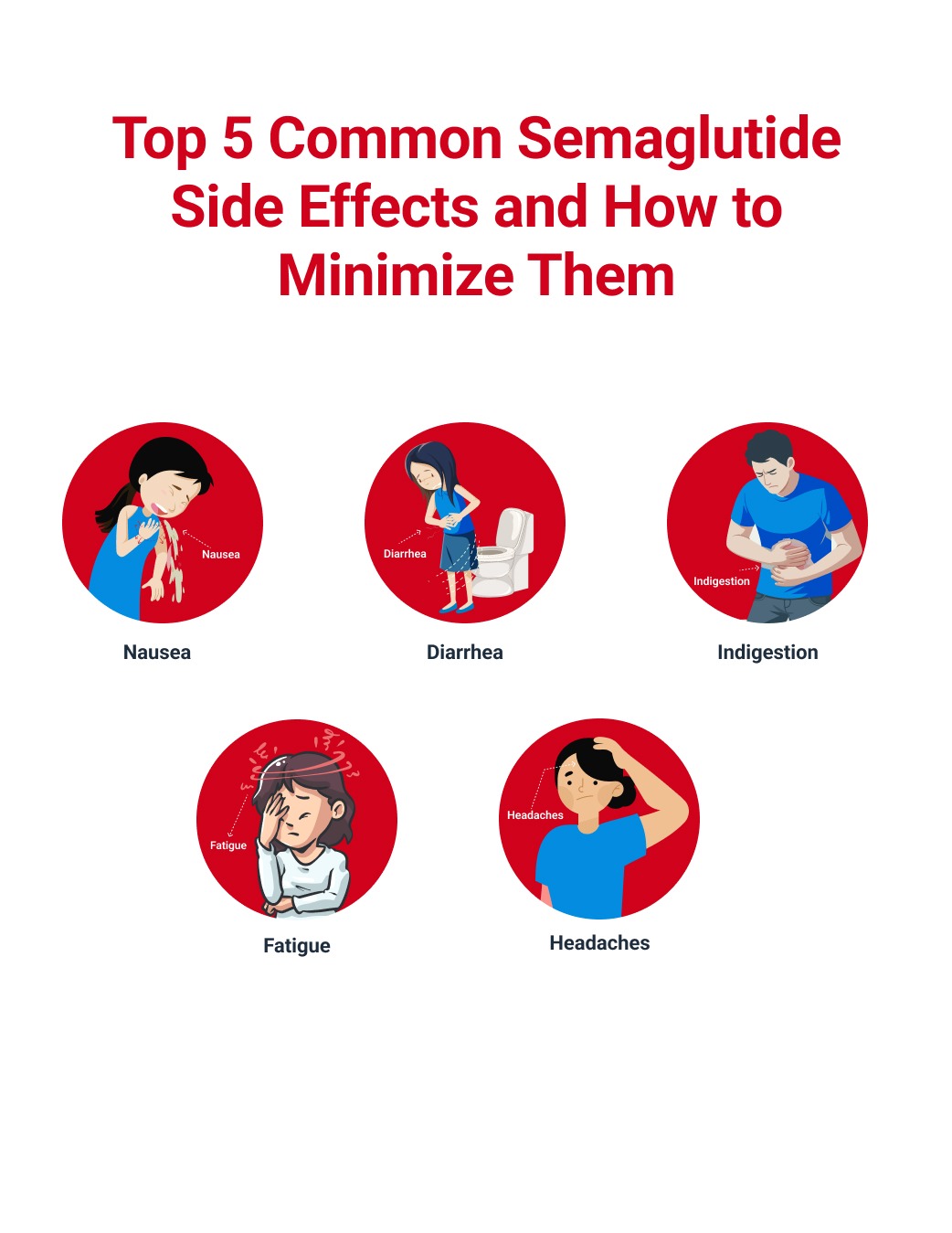
Key Takeaways Stomach pain on reta is primarily caused by delayed gastric emptying: Retatrutide's GLP-1 receptor activation slows how fast food leaves the stomach, producing cramping, bloating, and abdominal discomfort The triple-agonist mechanism amplifies GI effects: Unlike semaglutide (GLP-1 only) or tirzepatide (GLP-1/GIP), retatrutide hits three receptors GLP-1, GIP, and glucagon creating a broader gastrointestinal impact Abdominal pain affected up to 12% of participants at higher doses: Phase 2 trial data (NEJM, 2023) documented abdominal pain as a distinct adverse event beyond nausea and diarrhea Dose escalation significantly reduces stomach pain incidence: Gradual titration groups reported fewer GI events than participants who started directly at target doses Most stomach pain is transient: Published data shows GI discomfort peaks during the dose-escalation phase and diminishes as the body adjusts at stable doses Severe or persistent abdominal pain requires medical evaluation: Intense, unrelenting belly pain could indicate pancreatitis a rare but serious adverse event documented across all GLP-1 class compounds Why Retatrutide Causes Stomach Pain Stomach pains on reta are the most commonly searched complaint among researchers following this compound and for good reason

Both Semaglutide and Liraglutide begin working in the body shortly after starting, but the visible effects take time
Butler, R
Like Optum Perks, WellRx can be used with or without insurance

Call 999 or go to your nearest A&E immediately if you experience: Signs of a severe allergic reaction (anaphylaxis), including swelling of the face, lips, tongue, or throat, difficulty breathing, or a widespread rash with collapse Seek urgent medical advice if you experience: Severe or persistent vomiting that prevents you from keeping fluids down Signs of dehydration, including dizziness, dark urine, or significantly reduced urination Severe abdominal pain, particularly if it radiates to the back this may indicate pancreatitis, a rare but serious adverse effect associated with GLP-1 receptor agonists [11] [12] Pain in the upper right abdomen, fever, yellowing of the skin or eyes (jaundice), pale stools, or dark urine these may be signs of a gallbladder problem, such as gallstones or cholecystitis, which have been associated with this class of medicine and with rapid weight loss Symptoms of hypoglycaemia (low blood sugar), such as shakiness, sweating, confusion, or palpitations the risk is higher if you are also taking insulin or a sulfonylurea

Your dose, your plan