Blood pressure and metabolic effects of acetyl-l-carnitine in type 2 diabetes: DIABASI randomized controlled trial
Sitti M
Dcouvrez comment la glycmie est rgule par linsuline et le rcepteur de linsuline, et comment fonctionnent les insulines de synthse en lisant ces trois anciens articles de la molcule du mois : Insulin, Insulin Receptor et Designer Insulins
L-Glutathione (Reduced) Milk Thistle (80% Silymarin) NAC (N-Acetyl-L-Cysteine 98%) Vitamin E (D-Alpha-Tocopheryl Acetate) Selenium (L-Selenomethionine 0.5%)
Each formulation is personalized to align with your goals, physiology, and wellness journeyproviding more than just weight loss support

(Research Context) In controlled laboratory and in-vitro settings, KLOWs four constituent peptides have been examined across several complementary research areas: Tissue repair and regeneration BPC-157 and TB-500 are studied for their roles in fibroblast activity, angiogenesis, and connective tissue remodelling Inflammation modulation KPV (Lys-Pro-Val), a tripeptide derived from the C-terminal region of -melanocyte-stimulating hormone (-MSH), is studied for its ability to suppress NF-B signalling and reduce pro-inflammatory cytokine activity in preclinical models Extracellular matrix support GHK-Cu has been extensively studied in the context of collagen and elastin synthesis, wound healing models, and skin fibroblast activity Cell migration and cytoskeletal dynamics TB-500 (a synthetic fragment of Thymosin Beta-4) is examined for its role in actin regulation and how it influences cell movement and vascular response Gene expression modulation GHK-Cu has been reported in research to influence the expression of over 4,000 genes associated with tissue growth, repair, and immune balance Gut barrier and epithelial integrity Both KPV and BPC-157 have been investigated in models studying mucosal and epithelial barrier function The combined formulation allows researchers to investigate how these complementary mechanisms interact within regenerative and inflammatory research models an advantage over studying each peptide independently















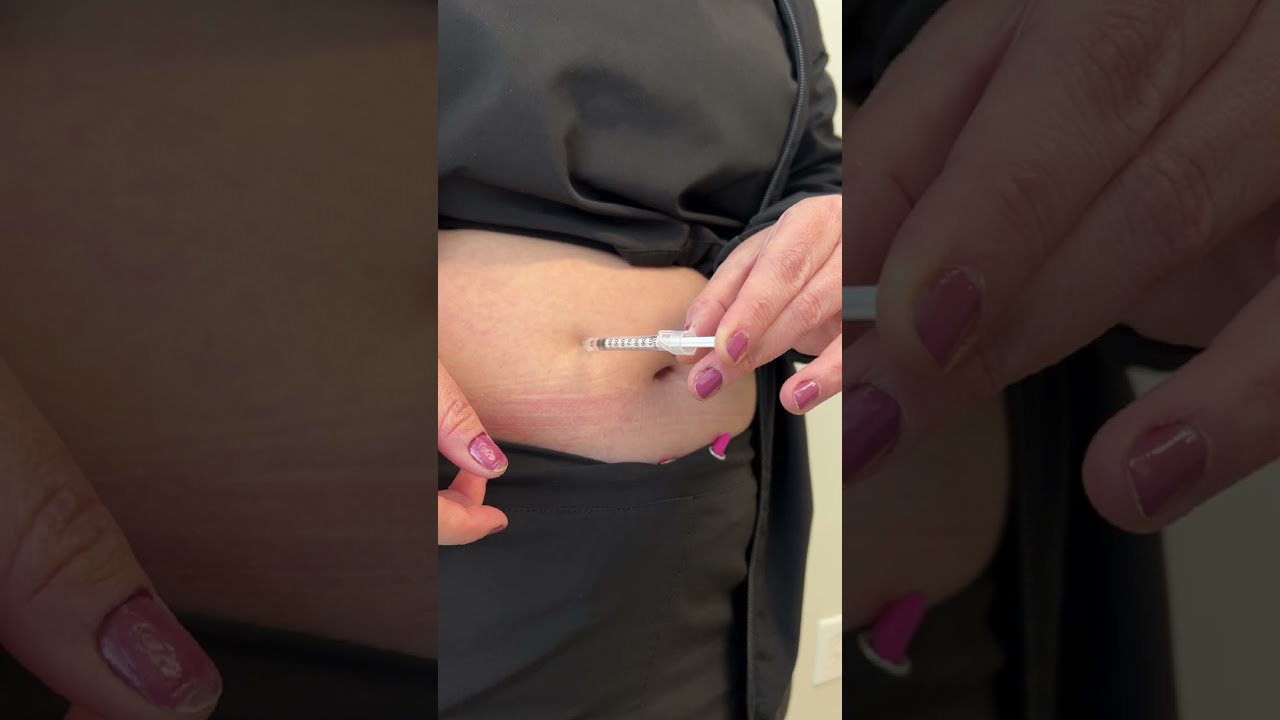

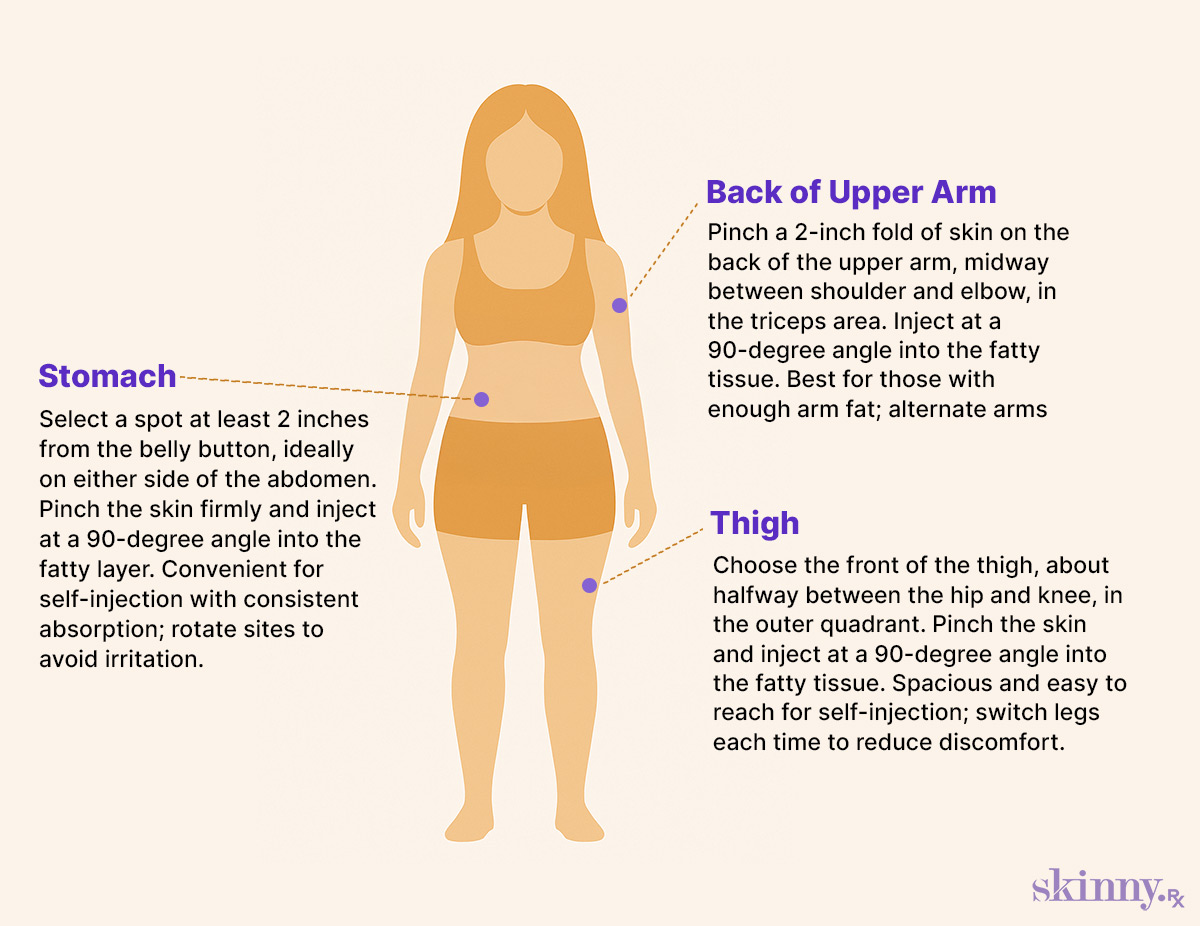

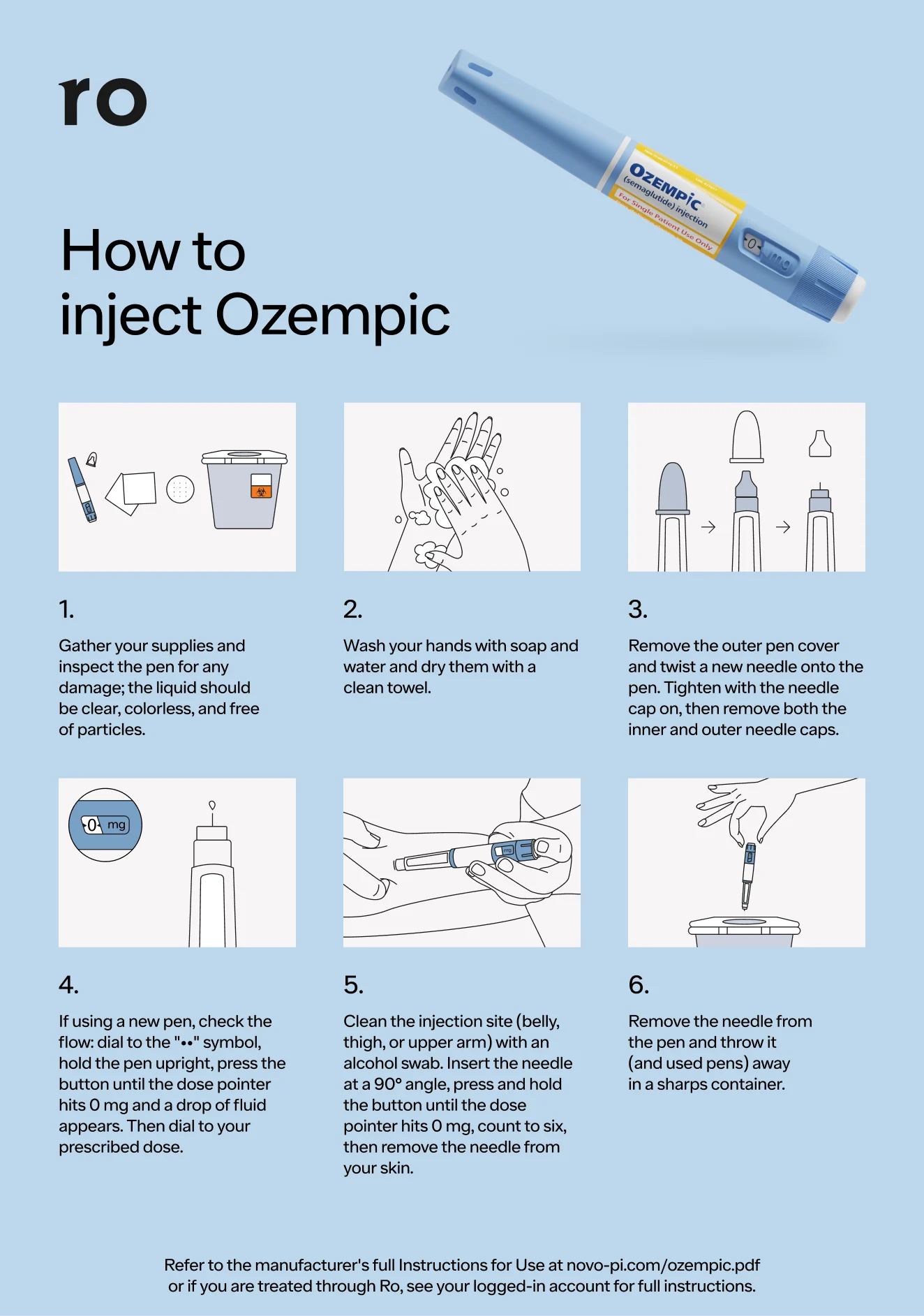
:max_bytes(150000):strip_icc()/VW-Health-Ozembic-Injection-site-V2-f0e98eb1833f48e898d8a19800fb515f.jpg)







![Filtro Abitacolo Antipolline ai Carboni Attivi [375x142x30] 1E0698451D](https://cdn.shopify.com/s/files/1/0849/1175/1433/files/ERATERT_2bf2e701-e450-4833-862b-02e21246bbb0.jpg?v=1744520637)